Internet Symbol SVG, Internet Silhouette
A Clean, Quiet Symbol — Not a Statement
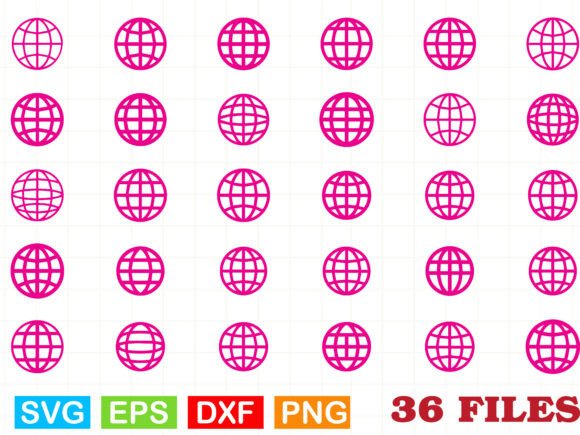
First glance at Internet Symbol SVG, Internet Silhouette tells me this isn’t flashy—it’s thoughtful. It reads as a quiet, modern icon: clean lines, balanced negative space, and no unnecessary embellishment. There’s no Wi-Fi swirl, no cartoon router, no pixelated noise. Just the essential shape—a simplified globe or signal ring—rendered with subtle weight and confident proportions. That restraint is its strength. As an embroidery designer, I immediately see how it would translate to stitch: no micro-details to vanish in satin or fill, no fragile arms to break under dense stitching, no overlapping elements that demand precise alignment.
Where It Lives Best: Everyday Craft & Thoughtful Gifting
Last week, I used Internet Symbol SVG, Internet Silhouette to embroider a small batch of organic cotton tote bags for a local indie bookstore’s “Digital Detox Week” event. The design sat neatly above the pocket—3.2 inches wide, centered, stitched in soft heather grey thread on oat-colored fabric. Customers responded instantly—not with surprise, but with recognition and quiet appreciation. That’s the real test: does it feel *intentional*, not decorative? Does it support the product’s story instead of competing with it? Here, yes. It worked because the design didn’t shout; it nodded. It fits naturally on sweatshirt cuffs, baby onesies (paired with a tiny cloud or book motif), linen tea towels for tech-adjacent home offices, and minimalist nursery wall hangings where “connection” is the theme—not cables or screens.
What Holds Up Under Needle & Thread
This is where many silhouette-style graphics falter—and where Internet Symbol SVG, Internet Silhouette earns trust. Its outlines are generous, not razor-thin. Corners are gently rounded, not sharp enough to snag thread or fray fabric. There’s no internal linework, no tiny text, no nested shapes—so no risk of fill stitches bleeding into each other or running stitches disappearing in the hoop. On a medium-weight cotton apron? Crisp. On a brushed poly-cotton baby blanket? Still legible after three washes. As a machine embroidery design, it’s forgiving: low stitch density by nature, minimal jump stitches, and a shape that flows well across curved surfaces like caps or pillow covers—no awkward stretching or distortion when digitized properly.
Where to Pause & Plan Ahead
That said, don’t assume it’s plug-and-play on every surface. On highly textured fabrics—like bouclé knit sweatshirts or thick terry cloth towels—the silhouette can soften unless you add light stabilizer backing and reduce top tension slightly. On dark fabric, avoid light pastel threads without testing first—subtle gray or charcoal works better than ivory for clarity. And while it scales down well to 2 inches for a cap front, go smaller than 1.5 inches only if your embroidery file includes optimized small-lettering logic (which isn’t specified here—check your vendor’s notes). Also, avoid layering it directly over seams or stretchy side panels of T-shirts without proper cutaway stabilizer underneath. This isn’t a flaw—it’s just how silhouette-based embroidery files behave. Respect the fabric, respect the stitch.
Why It Builds Trust—Not Just Decoration
For Etsy sellers and small shop owners, Internet Symbol SVG, Internet Silhouette supports professionalism quietly. It doesn’t scream “handmade!”—it whispers “considered.” When stitched onto a personalized gift—say, a custom embroidered pillow cover for a new remote worker—it feels cohesive, not cutesy. That consistency matters. Buyers notice when a design looks like it belongs—not pasted on, but part of the object’s identity. It also holds up in printable mockups and digital previews: clean vector lines convert smoothly to PNGs for listings, and it reads clearly even in black-and-white product thumbnails. For craft business branding, it’s versatile enough to anchor a series—pair it with simple typography or neutral icons for a cohesive set of digital embroidery files or physical patches.
Designer Notes You’ll Actually Use
- Always test on scrap fabric matching your final project’s weight and stretch—especially for baby embroidery or sweatshirt embroidery.
- Check thread color contrast on both light and dark backgrounds before stitching a full run.
- Review stitch density in your embroidery software—if the file includes heavy fill areas, consider simplifying or switching to a lighter fill stitch.
- Confirm hoop size compatibility—this design likely fits standard 4x4 hoops, but verify before hooping expensive fabric.
- Inspect small details in the vector file: are corners truly open? Are anchor points clean? If unsure, simplify paths before digitizing.
- Test black-and-white mockups—if it reads clearly in grayscale, it’ll hold up in real-world lighting and varied screen displays.
- Use appropriate stabilizer: tear-away for stable wovens, cutaway for knits or lightweight fabrics.
- Confirm licensing before selling finished products or bundling as part of a commercial embroidery collection—this is listed under Illustrations and Graphics, so review terms carefully.
Final Thought: A Design That Serves, Not Shouts
Internet Symbol SVG, Internet Silhouette won’t win awards for complexity—but it wasn’t meant to. It’s a reliable, calm, and quietly intelligent piece of design assets. In a market flooded with busy, trend-chasing graphics, it stands out by stepping back. For embroidered patches, custom apparel, holiday embroidery, or boutique merchandise, it adds meaning without clutter. It respects the craft, the customer, and the object it lives on. That’s rare. And that’s why, after reviewing dozens of similar graphics, I keep coming back to this one—not as a placeholder, but as a deliberate choice.