Bear Silhouette SVG: A Designer’s Real-World Embroidery Review
First Impressions: Simple, Warm, and Quietly Confident
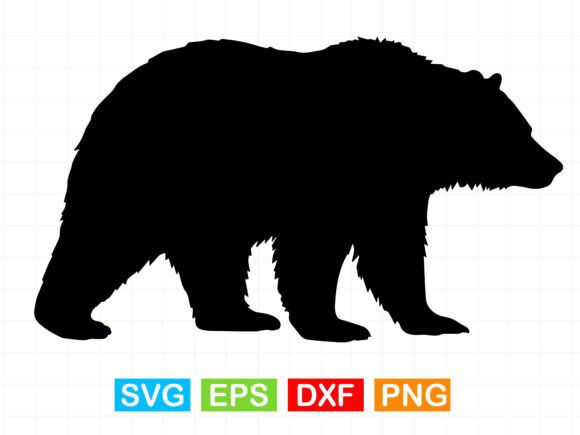
When I opened Bear Silhouette SVG, what struck me wasn’t complexity—it was quiet intention. This isn’t a cartoon bear with exaggerated features or busy line work. It’s a clean, single-contour silhouette: smooth curves, gentle posture, and just enough weight in the outline to feel grounded—not flat, not fragile, but tender and timeless. As an embroidery designer who’s stitched hundreds of animal motifs for baby items, boutique aprons, and personalized gifts, I immediately sensed its versatility. It leans into warmth without leaning into cliché—no honey pots, no bowties, no forced whimsy. That restraint is rare—and valuable.
Where It Shines: Real Projects, Real Customers
Last week, I used Bear Silhouette SVG as the centerpiece for a custom embroidered tote bag for a local nursery owner. She wanted something soothing but not infantilized—something that could live on a tote, a tea towel, or a pillow cover in a calm, nature-inspired boutique space. The design held up beautifully at 3.5 inches tall on medium-weight canvas, with a satin stitch border and subtle fill stitch in the body (I added that manually, since the SVG itself is vector-based and requires digitizing). Customers paused mid-aisle. One mom said, “It feels like a hug.” That’s the power of simplicity done right.
It works equally well for sweatshirt embroidery on fleece-lined hoodies—its open shape avoids dense stitching that can stiffen fabric. On baby onesies? Yes—but only if digitized with light stitch density and minimal underlay. For embroidered patch applications, it scales cleanly down to 2 inches without losing legibility. And because it’s a true silhouette—no internal details—it avoids the trap of over-digitizing, which saves time and thread when producing small shop product batches.
Where to Pause: Fabric, Scale, and Context Matter
This isn’t a one-size-fits-all machine embroidery design. Its strength is also its limit: because it relies on shape and contour, it needs thoughtful execution on challenging surfaces. On stretchy fabric like jersey tees, you’ll need cutaway stabilizer and possibly a basting stitch around the perimeter before filling. On curved surfaces like caps, test placement first—the rounded crown can distort even clean silhouettes if hooping isn’t precise. And avoid using it on thin fabric without backing; the lack of interior detail means any puckering or shifting becomes highly visible.
I also wouldn’t recommend Bear Silhouette SVG for tiny hoop sizes under 3 inches unless you’re willing to simplify further—say, reducing the ear curve or softening the shoulder line. On dark fabric, contrast matters more than usual: a light thread may disappear unless you add a subtle shadow fill or outline. And while it’s lovely on kitchen towels and pillow covers, skip it for high-wash-frequency items like baby bibs unless your digitized version uses durable running stitch outlines and low-density fills.
What It Adds to Your Handmade Product—and What It Doesn’t
Used well, Bear Silhouette SVG elevates perceived value. It reads as intentional, not clip-art. That builds customer trust, especially among buyers who scroll past mass-produced designs on Etsy or craft fairs. It supports brand consistency for makers building a cohesive aesthetic—think forest-themed baby brands, minimalist home goods, or nature-inspired apparel lines. It’s inherently giftable: neutral enough for gender-neutral nurseries, warm enough for holiday stockings, simple enough for wedding guest favors (think bear-shaped linen napkin tags).
But let’s be clear: this digital embroidery file won’t carry your brand alone. Its power lies in how you pair it—what thread colors you choose, whether you layer it with monogram initials, how you position it on a curved hem or pocket edge. It doesn’t shout. It invites attention through quiet confidence. That means handmade presentation hinges on your execution—not the file itself.
Practical Notes Every Embroidery Designer Should Check
- Always test on scrap fabric first—especially with your exact stabilizer and thread combo. Silhouettes reveal tension issues faster than detailed motifs.
- Review stitch density carefully. Too dense = stiff, bulky results; too sparse = fragile edges. Aim for 3–4 passes in satin outlines and ≤80% fill density for soft fabrics.
- Confirm hoop size compatibility. While the SVG scales freely, your digitized version must fit your machine’s maximum hoop dimensions.
- Inspect small details manually. Ears, paws, and snout curves should digitize cleanly—no jagged points or unintended gaps.
- Test black-and-white mockups before finalizing. Does it read clearly at thumbnail size? On mobile? That matters for Etsy listings and social previews.
- Compare light and dark fabric backgrounds. A warm charcoal thread on oatmeal linen reads differently than white thread on navy denim.
- Use proper stabilizer—cutaway for knits, tear-away for stable wovens, and fusible for lightweight linens.
- Verify licensing before selling finished items or bundling as design assets. Since the listing mentions use for “prints, t-shirt designs, mug making, posters,” confirm commercial rights apply to embroidered finished product and resale.
Final Thought: Less Is Truly More Here
Bear Silhouette SVG isn’t flashy. It won’t win awards for technical complexity. But in the hands of a thoughtful designer—or a small business owner curating meaningful personalized gift offerings—it becomes quietly powerful. It fits naturally into Illustrations and Graphics collections not because it’s decorative, but because it’s functional, adaptable, and emotionally resonant. Whether you’re digitizing it for a batch of custom apparel, turning it into a heat-transfer-ready printable mockup, or building a full craft business line around woodland serenity, this silhouette earns its place—not by shouting, but by staying.