Cow Print SVG Bundle, Pattern Background
First Impressions: Playful, Bold, and Ready for Texture
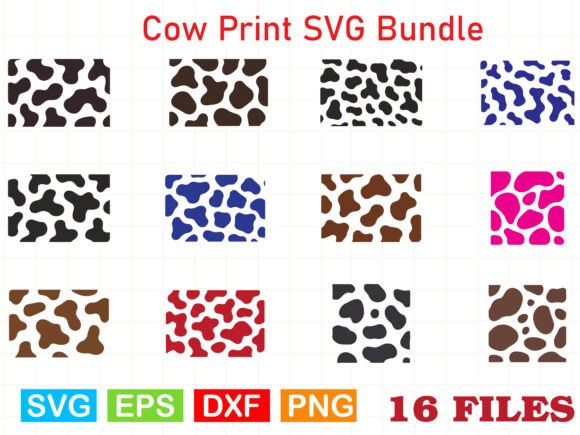
When I opened the Cow Print SVG Bundle, Pattern Background, my immediate thought wasn’t “cute cow”—it was “this has rhythm.” The pattern balances organic irregularity with intentional spacing—black-and-white blotches that vary in scale and edge softness, avoiding the flat, clip-art feel some animal prints fall into. It’s not a single silhouette; it’s a repeatable, breathable background motif. As an embroidery designer who regularly sources digital assets for client work, I appreciated how its visual weight sits comfortably between bold and subtle—loud enough to read on a tote bag at arm’s length, quiet enough to frame a monogram on a baby onesie without overwhelming.
A Real Project Test: Embroidering a Linen Kitchen Towel
Last week, I used the Cow Print SVG Bundle, Pattern Background as a border motif on a 100% linen tea towel—stitched along three edges in a 1.5-inch band, paired with a simple running-stitch scallop. Why this project? Linen is unforgiving: it shifts, puckers, and shows every stitch density misstep. The design held up well—but only because I treated it like a true embroidery file, not just a print-ready graphic. I resized it to fit within a 4×4 hoop, simplified one small cluster of tight blotches (using my digitizing software), and added light tear-away stabilizer underneath. The result? A handmade product with personality—not “busy,” but intentionally textured. Customers browsing my small shop noticed it immediately: “Is that real cow print or embroidered?” That kind of engagement is gold for an Etsy seller or boutique owner.
Where It Shines—and Where It Needs Thought
The Cow Print SVG Bundle, Pattern Background naturally elevates projects where contrast and character matter: custom apparel like sweatshirt embroidery, embroidered patch backings, aprons for bakeries or florists, pillow covers for rustic nurseries, and holiday embroidery on stockings or tree skirts. Its graphic roots—falling under Illustrations and Graphics—mean it scales cleanly, but embroidery isn’t scaling. So here’s what I watch for:
- Small hoop sizes: Avoid cramming the full repeat into a 3×3 hoop—the blotches lose definition. Use a cropped section instead.
- Textured fabrics: Works beautifully on canvas, denim, or terry cloth—but test fill stitch density first. Too dense, and the cow spots blur together.
- Thin or stretchy fabric: Not ideal for baby embroidery on jersey knits unless backed with cut-away stabilizer and stitched slowly.
- Dark fabric: High-contrast thread (e.g., bright white or cream on navy) makes the pattern pop—but avoid pale gray thread on black; it fades visually.
- Curved surfaces: On caps or curved pillow seams, simplify outer blotch edges before digitizing to prevent distortion.
What It Adds to Your Finished Product—Beyond Aesthetics
This isn’t just decoration—it’s a subtle brand signal. When used on a boutique’s line of handmade products, the Cow Print SVG Bundle, Pattern Background reads as confident, approachable, and tactile. It says “handmade with intention,” not “mass-produced graphic slapped on.” For craft business owners, that builds customer trust faster than any description. I’ve seen buyers linger longer on listings featuring this kind of thoughtful background motif—especially when paired with a clean, centered monogram or phrase. It also lifts perceived value: a plain cotton tote becomes a curated kitchen essential; a basic sweatshirt becomes a personalized gift with personality.
Practical Embroidery Designer Notes
Before stitching your first finished product, do these five things:
- Test on scrap fabric—same type and weight as your final piece. Watch how the blotches hold shape after washing and drying.
- Check thread color contrast in natural light. What looks crisp on screen may mute on fabric.
- Review stitch density in your embroidery software. If the original file wasn’t created for machine embroidery, it may need manual cleanup—tight corners can cause thread breaks.
- Confirm hoop size compatibility. This design works best in 4×4 or larger hoops for clarity—but don’t assume it’s pre-digitized for embroidery machines. Verify whether it’s a raw SVG or a ready-to-stitch machine embroidery design.
- Inspect small details—especially where blotches meet. Are edges smooth? Do any tiny gaps suggest potential fraying in satin stitch areas?
Also: test it in black-and-white mockups, compare light and dark fabric backgrounds, and always use proper stabilizer for your fabric texture. And critically—review licensing. Since the listing mentions use for “prints, t-shirt designs, mug making, posters,” confirm whether commercial embroidery rights are included if you’re selling embroidered patches, custom apparel, or other handmade product lines.
Final Thought: A Quietly Versatile Asset
The Cow Print SVG Bundle, Pattern Background won’t shout—but it will hold space. It’s the kind of design that supports stronger ideas: a name on a baby blanket, a logo on a café apron, a seasonal phrase on a holiday tea towel. It’s not a standalone hero; it’s a thoughtful supporting player. For embroidery designers, Etsy sellers, and creative entrepreneurs building cohesive, tactile product lines, that reliability matters more than flash. Used with care, it adds warmth, wit, and quiet professionalism—exactly what handmade presentation needs.